
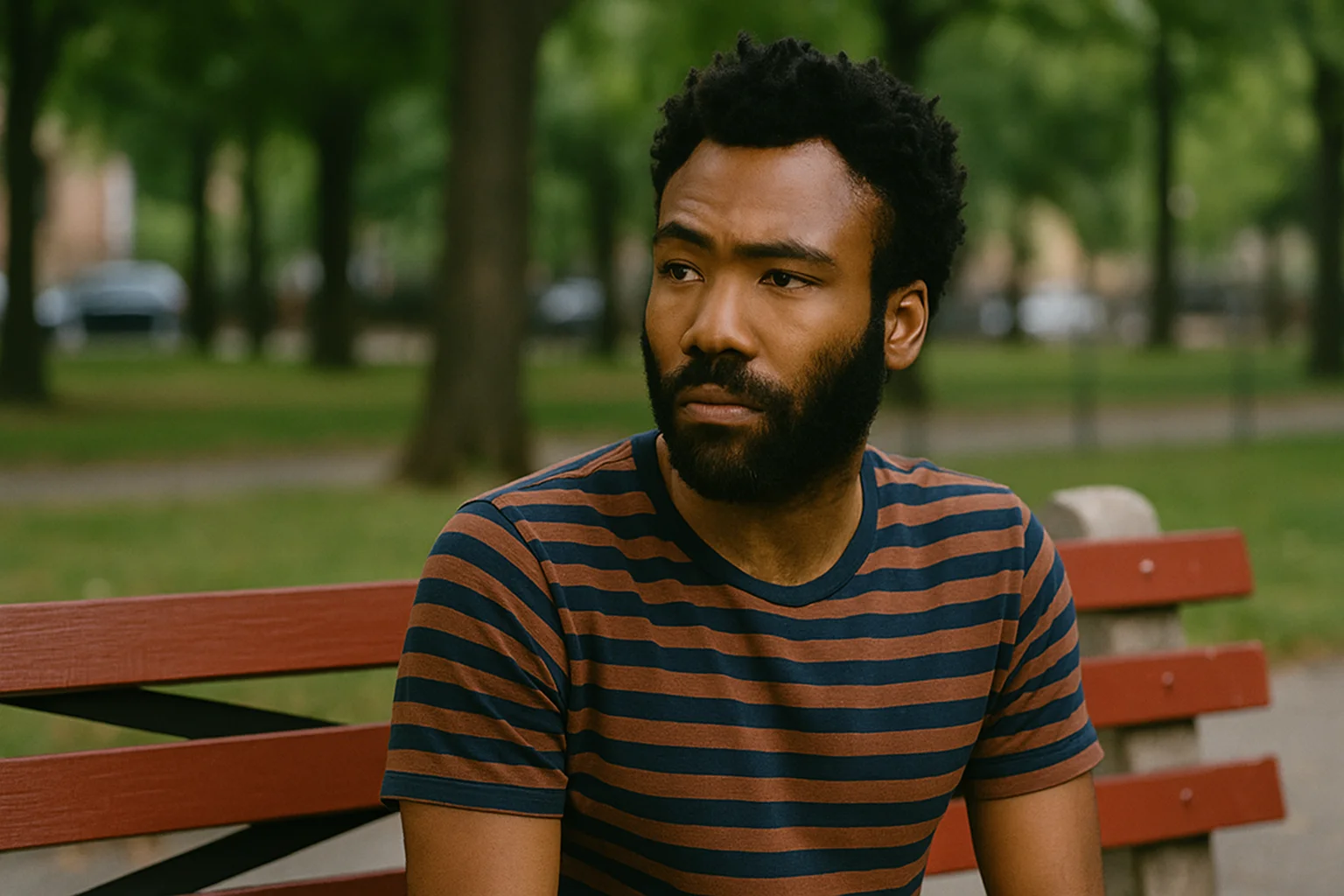
How Donald Glover Uses His Real-Life Experiences in His Characters
Donald Glover is one of the most multi-talented figures in modern entertainment. As an actor, comedian, writer, producer, and musician (known to many as Childish Gambino), he has built a career defined by creativity, depth, and originality. What makes Glover truly stand out is how seamlessly he weaves his real-life experiences into his characters and performances.
Whether it’s through the awkward charm of Troy Barnes in Community, the grounded struggles of Earn Marks in Atlanta, or the playful swagger of Lando Calrissian in Solo: A Star Wars Story, Glover consistently draws on his own journey, his upbringing, identity, and artistic evolution to shape authentic and relatable portrayals.
This blog explores how Donald Glover integrates his lived experiences into his work, why it resonates so deeply with audiences, and how it has cemented him as a cultural powerhouse.
Early Life: Foundations of Humor and Perspective
Donald Glover was born in 1983 and raised in Stone Mountain, Georgia, in a Jehovah’s Witness household. Growing up in a large family with strict religious values, Glover learned early on about discipline, community, and the complexities of identity.
- Religious upbringing: His experiences in a conservative household often gave him material for comedy highlighting contradictions, misunderstandings, and the awkwardness of strict rules.
- Diversity of environment: Growing up as one of the few Black kids in a predominantly white area gave him a nuanced perspective on race, belonging, and cultural expectations.
- Creative outlet: Instead of rebelling outright, Glover used humor, writing, and performance as ways to process his environment.
These foundations of religion, identity, and cultural observation would later show up in subtle yet powerful ways across his characters.
Community: Channeling the Awkward College Experience
As Troy Barnes in Community, Glover tapped into his own awkward college experiences. Having attended New York University, he knew firsthand the discomfort of finding one’s place in a new social landscape.
- Relatable awkwardness: Troy’s journey from high school jock to quirky, lovable nerd reflected Glover’s own evolution during college.
- Friendship dynamics: His iconic bond with Abed mirrored how Glover built friendships by leaning into his nerdy, creative side rather than hiding it.
- Improvisation: Many of his funniest Community moments were improvised, pulling directly from his natural comedic instincts honed in real life.
By drawing on his own college identity shifts, Glover made Troy a character who resonated with audiences experiencing similar transitions.
Atlanta: A Mirror of His Life in the Music Industry
Perhaps the most direct use of Glover’s real-life experiences appears in Atlanta. As both the creator and star of the series, he infused Earn Marks with aspects of his own journey navigating the music industry.
- Struggles with money: Like Earn, Glover knew the difficulties of pursuing creative dreams while dealing with financial instability.
- Industry absurdities: The show highlights the strange, surreal nature of the entertainment world something Glover experienced firsthand as both a comedian and rapper.
- Family responsibility: Earn’s struggles to balance ambition with fatherhood mirror Glover’s own reflections on responsibility and success.
- Cultural observations: Episodes often feel like extended versions of Glover’s real-life musings on race, celebrity, and identity in America.
By grounding Atlanta in lived truth, Glover created a show that feels both authentic and revolutionary.
Childish Gambino: Music as a Personal Confession
Donald Glover’s alter ego, Childish Gambino, has always been a vehicle for expressing his innermost thoughts and experiences. His lyrics frequently reference his personal life, insecurities, and identity struggles.
- Identity and race: Songs like “This Is America” explore cultural and racial dynamics he has personally experienced.
- Loneliness and love: Tracks such as “3005” reflect his fears of isolation, directly connected to his own emotional vulnerabilities.
- Balancing fame and normalcy: Albums like Because the Internet use humor, social commentary, and storytelling to channel the dissonance between celebrity life and personal identity.
Through music, Glover transforms personal experiences into universal art, blending humor, pain, and reflection.
Film Roles: Infusing Characters with Personal Flair
Even in films, Glover injects elements of himself into his roles, ensuring his characters carry unique authenticity.
Solo: A Star Wars Story
As Lando Calrissian, Glover brought his own flair and confidence, inspired by both Billy Dee Williams and his own personal style. His love of fashion (especially capes) and playful wit mirrored his real-life charisma.
Magic Mike XXL
Glover’s role as a charismatic singer stripped down the bravado typical of male entertainers. Instead, he leaned on his natural charm, humor, and musicality, reflecting his Childish Gambino persona in a more intimate form.
The Martian
Even in a small role, his quirky, awkward humor reflected his personal comfort with self-deprecation and improvisation.
Writing as a Reflection of Self
Before becoming a household name, Glover worked as a writer on 30 Rock. His scripts often included sharp observations on race, identity, and generational humor all rooted in his own lived experiences.
Later, Atlanta expanded on these ideas. Through storytelling, Glover continues to use his real life as both inspiration and critique, blending entertainment with social commentary.
Humor: Turning Pain Into Laughter
A consistent theme across Glover’s characters is the use of subtle humor to address deeper struggles. This ability stems from his own life — using comedy as a way to cope with discomfort, cultural clashes, and personal insecurities.
- Self-awareness: Many of his characters display awkward self-consciousness, a reflection of Glover’s own acknowledgment of being an outsider growing up.
- Irony and satire: He uses humor to expose contradictions in society, especially around race and class.
Empathy through laughter: By finding humor in pain, Glover makes difficult topics approachable without minimizing their importance.
Why Real-Life Experiences Make His Work Resonate
The reason Donald Glover’s characters feel authentic is because they are, in many ways, extensions of himself. By integrating personal experiences, he ensures that his performances never feel artificial.
- Authenticity: Viewers connect because they sense the honesty behind his roles.
- Relatability: His struggles — with identity, money, or relationships — mirror those of his audience.
Depth: Real-life experiences add layers of complexity that scripted imagination alone can’t always provide.
Comparisons: Donald Glover vs. Other Performers
Many actors and musicians draw inspiration from life, but few integrate it as seamlessly as Glover. Whereas some separate their personal and professional identities, Glover blends them — ensuring that every medium (TV, film, music, writing) reflects aspects of his lived truth.
This makes him more comparable to multi-hyphenate artists like Childish Gambino’s contemporaries Kanye West or Phoebe Waller-Bridge, who also use personal narratives to shape their art.
Conclusion
Donald Glover’s brilliance lies in his ability to turn his own real-life experiences into art. Whether through Troy’s awkward humor, Earn’s quiet struggles, Lando’s confident swagger, or Childish Gambino’s introspective lyrics, Glover ensures his characters are grounded in truth.
This fusion of lived experience with artistic creativity not only makes his work relatable but also elevates him as one of the most authentic storytellers of his generation. For fans, watching Donald Glover perform feels less like watching a character and more like witnessing fragments of the man himself — shaped into stories that resonate universally.
FAQs
Which of Donald Glover’s characters reflects his real life the most?
Earn Marks in Atlanta is closest to Glover’s personal experiences, especially his struggles in the music industry and balancing family responsibility.
How does Donald Glover’s music reflect his real-life experiences?
Through Childish Gambino, Glover expresses themes of race, identity, loneliness, and fame, often blending humor with raw honesty.
Did Glover’s upbringing influence his work?
Yes, growing up in a Jehovah’s Witness household in Georgia shaped his perspective on religion, identity, and cultural differences themes that frequently appear in his work.
Does Glover improvise humor based on his real personality?
Absolutely. In Community and films like The Martian, many of his funniest moments come from improvisation rooted in his natural comedic instincts.
Why does Donald Glover’s authenticity resonate with audiences?
Because it makes his characters multidimensional and relatable. His roles feel human, blending flaws, humor, and depth in ways that mirror real life.