
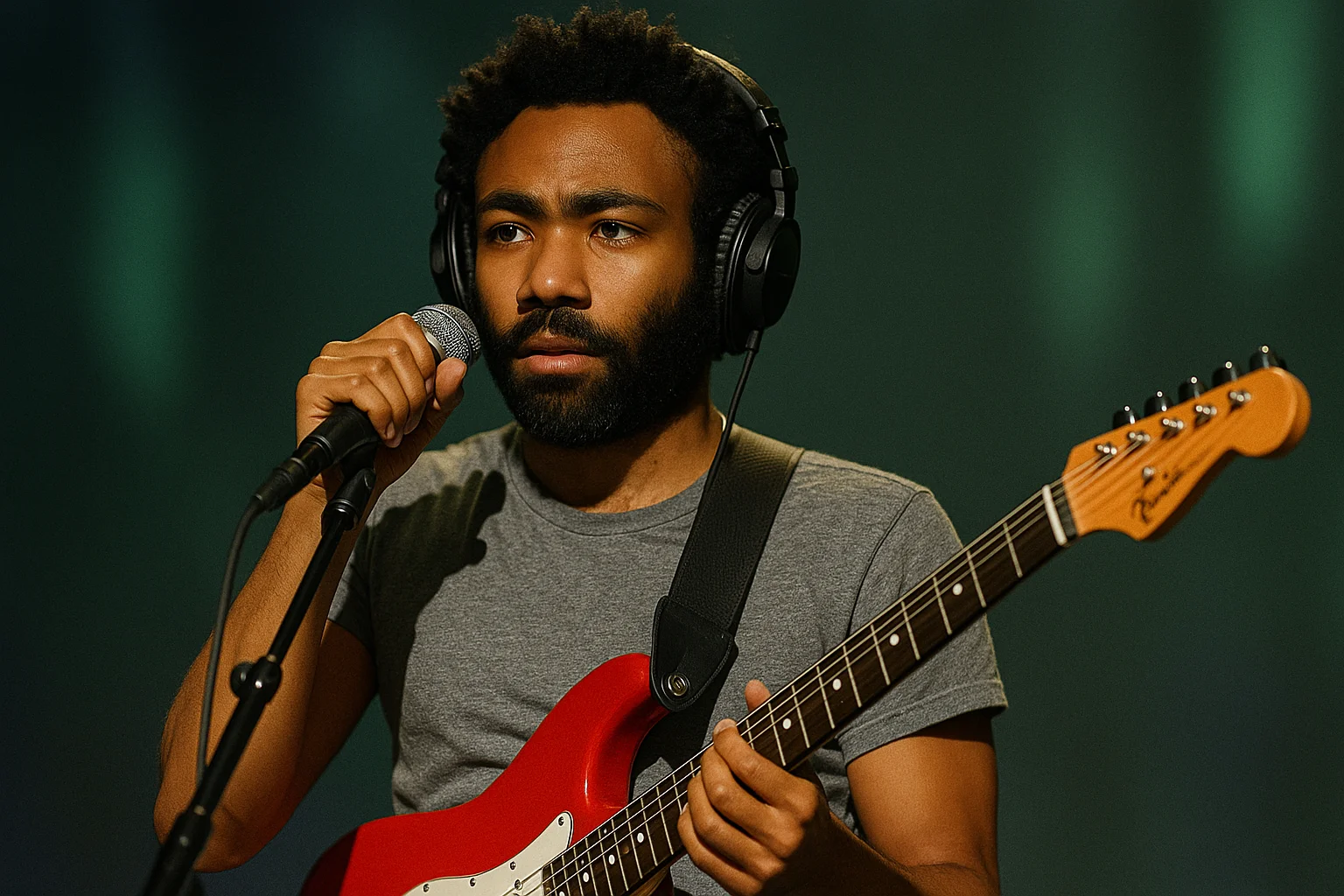
The Musical Influence of Donald Glover: How His Music Informs His Acting
Donald Glover is a versatile artist who has made significant impacts in the entertainment industry as a musician, actor, writer, and director. His ability to blend these talents has allowed him to create a unique identity that resonates with fans. This blog post examines how Glover’s music influences his acting, highlighting the connection between his musical artistry and his performances on screen.
The Genesis of Donald Glover’s Artistic Journey
Donald Glover’s journey started in the early 2000s when he wrote for the acclaimed television show 30 Rock. His comedic talent shone through, leading to his role in the cult hit series Community. However, it was his musical persona, Childish Gambino, that truly showcased his remarkable range.
The shift from comedy to music wasn’t sudden; it was a natural progression of his creative evolution. His debut album, Camp, released in 2011, marked a new chapter in his career. The album’s themes of identity and race reflect the struggles and triumphs of his personal journey, laying the groundwork for future projects in both music and acting.
For example, Camp opens with the track “Outside,” which speaks to feelings of being an outsider. This theme resonates with the characters he portrays in his acting roles.
The Interconnection of Music and Acting
Glover’s music often mirrors his personal experiences and societal observations, which he seamlessly translates into his acting roles. The emotional depth found in songs like “Redbone” can be felt in his performances, bringing authenticity and vulnerability to the characters he plays.
In the critically acclaimed series Atlanta, Glover stars as Earnest “Earn” Marks while also creating and producing the show. Each episode frequently features music, which serves as a narrative device. This integration delves into complex themes like race and financial struggle, paralleling the lyrical content of his songs. For instance, the episode “Teddy Perkins” uses haunting music to build tension, echoing the unsettling themes he often explores in his tracks.
Thematic Parallels in Glover’s Work
A striking element of Glover’s artistry is the thematic links between his music and acting. Both mediums delve into identity, mental health, and societal pressures. His powerful song “This Is America” critiques gun violence, themes echoed throughout Atlanta.
In the series, Glover’s character faces challenges as a young Black man in America, mirroring the sentiments expressed in his music. This synergy results in a cohesive body of work that speaks to the challenges of contemporary society. In fact, Glover’s ability to address these issues has led to Atlanta receiving multiple accolades, including two Golden Globe Awards and 10 Emmy nominations.
The Role of Emotion in Glover’s Performances
Glover’s emotional range is one of his strongest qualities as an actor. His music serves as a cathartic outlet, helping him process feelings and experiences. This depth is evident in his portrayal of Earn, a character struggling with financial instability and personal relationships.
His journey reflects themes of self-discovery found in songs like “3005” the desire for connection and the fear of loss. This emotional resonance allows Glover to forge a powerful bond with his audience, intensifying the impact of his performances.
For instance, in the episode “Price of Duty,” Glover masterfully depicts Earn’s vulnerability when addressing the responsibilities of fatherhood, an issue that deeply affects many viewers.
The Influence of Musical Style on Acting Choices
Glover’s unique musical style, which blends hip-hop, R&B, and funk, influences his acting choices. His performances incorporate a rhythmic quality that showcases the music’s impact on his delivery. For example, in Atlanta, Glover often uses a deliberate cadence that enhances the emotional weight of each scene.
His music background gives him a distinct perspective on acting, often allowing him to bring a creative flow to his performances. In moments requiring heightened emotion, like in the episode “The Big Bang,” Glover’s understanding of timing and delivery amplifies the scene’s overall impact, making it memorable for audiences.
Collaborations and Cross-Pollination of Ideas
Glover’s collaborations with diverse artists reveal the interconnectedness of his music and acting. Working with musicians, directors, and writers fosters innovative projects that blur the lines between artistic expressions.
A notable example is his collaboration with director Hiro Murai on Atlanta. Their shared vision combines visual storytelling with music, enriching the series’ emotional depth. Murai often integrates musical elements as a powerful narrative tool, enabling Glover to explore fresh creative paths.
The Impact of Live Performances on Acting
Glover’s live performances as Childish Gambino greatly influence his acting style. The spontaneity and energy of engaging with a live audience brings a sense of authenticity and charisma to his on-screen presence.
During shows, Glover often connects deeply with his audience, a skill that enhances his acting. This connection enhances the believability of his characters, making them more relatable and compelling. The emotional highs and lows from his musical performances inform his acting, giving him a unique approach to storytelling.
The Future of Glover’s Artistic Endeavors
As Donald Glover continues to evolve artistically, the interplay between his music and acting will remain a cornerstone of his work. Each new project allows him to push creative boundaries, exploring themes that resonate with his audience.
Glover’s upcoming projects, including new music and potential acting roles, are highly anticipated by fans. They eagerly await the unique blend of musical influences and acting talents he will present, promising a rich tapestry of storytelling that reflects the complexities of modern life.
Final Thoughts
Donald Glover’s artistic journey showcases the power of creativity and the connections between different forms of expression. His music greatly informs his acting, crafting a unique synergy that resonates on multiple levels. As he explores new avenues, Glover’s ability to merge his musical and acting talents will undoubtedly leave a lasting mark on the entertainment world.
In an age where art forms increasingly overlap, Glover stands out as a true innovator. His work serves as a powerful reminder of the importance of authenticity and emotional depth in storytelling, inspiring future generations of artists to embrace their diverse identities.
FAQS
How did Donald Glover start his career in entertainment?
Donald Glover began as a writer for 30 Rock before gaining recognition for his role in Community. His transition to music under the name Childish Gambino allowed him to explore deeper themes of identity, race, and emotion, which now influence his acting and directing work.
How does Donald Glover’s music influence his acting?
Glover’s music often reflects personal experiences and social issues, which he channels into his acting roles. The emotional depth and vulnerability found in his songs help him deliver authentic, multidimensional performances on screen.
What are some examples of Glover blending music and acting?
His hit TV series Atlanta is a prime example. Glover integrates music as a storytelling tool, using rhythm and sound to enhance emotion and tension. Episodes like “Teddy Perkins” demonstrate how music shapes tone and atmosphere, mirroring the complexity of his musical projects like This Is America.
How does Donald Glover’s live performance experience influence his screen presence?
Performing live as Childish Gambino helps Glover cultivate energy, timing, and audience connection—skills that translate into his acting. This experience gives him a natural charisma and intensity that heightens his performances in both film and television.
What recurring themes appear in both Glover’s music and acting?
Identity, race, isolation, fame, and emotional vulnerability are central to both his music and acting. His works consistently challenge societal norms while encouraging introspection and empathy among audiences.