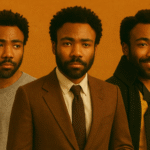
Behind the Scenes of Atlanta: How Donald Glover Created a Cultural Phenomenon
In the world of television, few shows have made as significant an impact as Atlanta. Created by Donald Glover, this revolutionary series not only entertains but also ignites conversations about race, identity, and the challenges of modern life. With its unique mix of humor, drama, and surrealism, Atlanta has become a cultural touchstone, reflecting the complexities of contemporary society. This post takes you behind the scenes to explore how Glover’s creative vision came to life, the production behind the show, and its lasting influence on culture.
The Genesis of Atlanta
The idea for Atlanta sprang from Donald Glover’s experiences as a young Black man facing the realities of life in the city. Glover, who also performs music as Childish Gambino, wanted to create a show that truly represented the Black experience in America.
He sought to share stories often overlooked by mainstream media, aiming for a narrative that balances personal insights with universal themes. For example, in its first season, Atlanta showcased Earn’s struggle with poverty while managing an aspiring rapper’s career, addressing issues like economic disparity with authenticity. This desire for genuine storytelling distinguishes Atlanta from other shows, addressing topics such as systemic racism and artistic struggles.
The Creative Process
Making a show like Atlanta requires collaboration. Glover built a talented team of writers, directors, and actors who brought diverse perspectives to the table. This mix of voices led to multi-dimensional storytelling that resonates with a broad audience.
Glover’s writing style is unconventional, often blending comedy with drama within the same scene. For instance, in Season 2’s episode “Champagne Papi,” moments of humor seamlessly intertwine with deeper themes, such as the challenges of self-identity. The show’s structure is another standout feature each episode often acts as a standalone story while contributing to a broader narrative arc, allowing Glover and his team to explore various themes and styles creatively.
Casting Choices
Casting is a major strength of Atlanta. Glover stars as Earnest “Earn” Marks but also carefully selected a talented ensemble, including Brian Tyree Henry, Lakeith Stanfield, and Zazie Beetz. Each actor brings their character to life, enhancing the show’s authenticity.
Take, for example, Brian Tyree Henry’s portrayal of Alfred “Paper Boi” Miles. His character’s journey through the music industry showcases the struggles of many young artists. Similarly, Zazie Beetz’s character, Van, reflects the complexities of modern relationships. The thoughtful casting adds depth to the show’s narratives, exemplifying Glover’s commitment to diverse stories.
The Visual Aesthetic
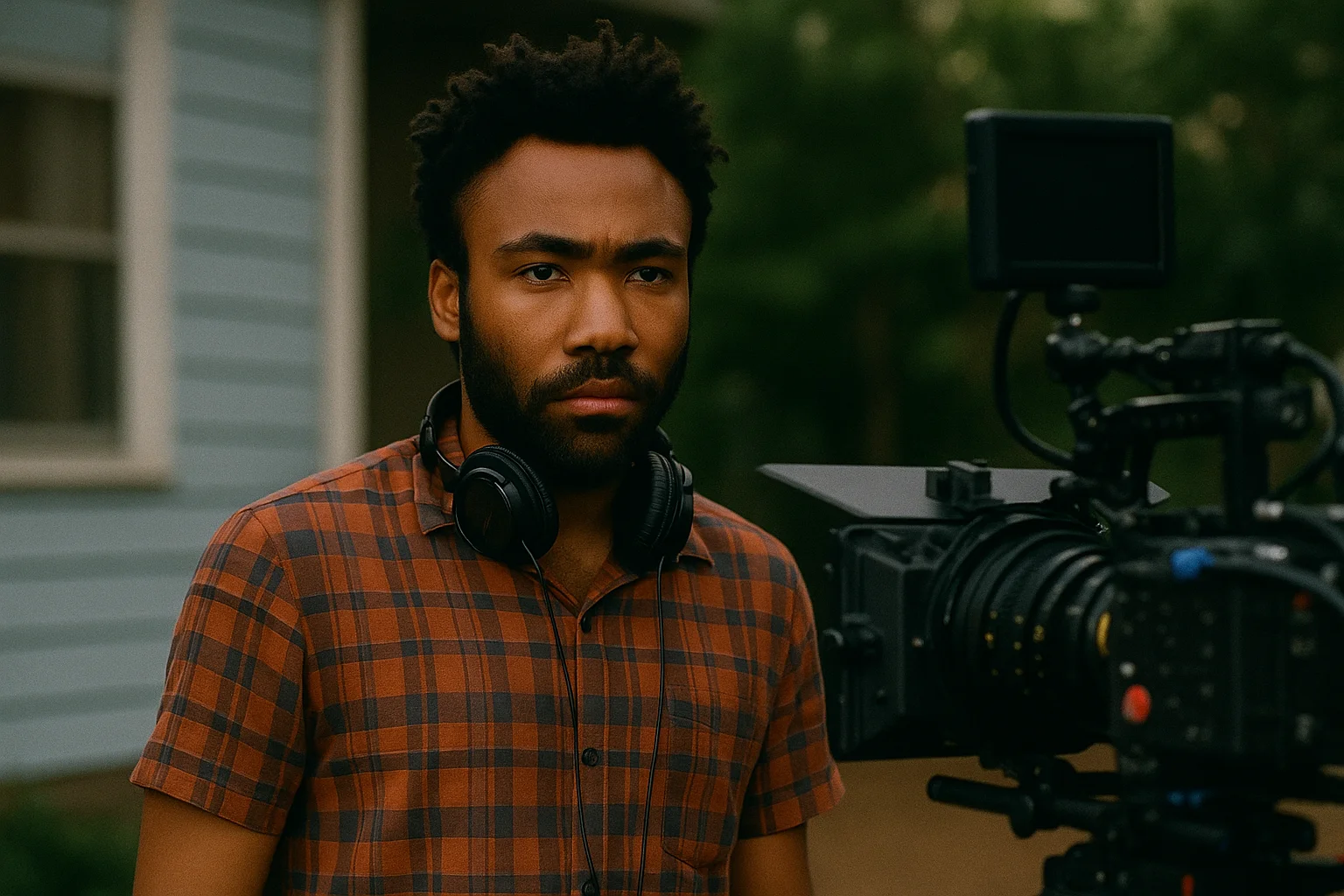
The visual style of Atlanta contributes significantly to its cultural impact. Under the guidance of director of photography Christian Sprenger, the cinematography uses vibrant colors and sharp contrasts to create a unique atmosphere. For instance, when capturing the city’s nightlife, the colors pulsate with energy, enhancing the emotional undertones of the story.
Additionally, filming on location in Atlanta allows the city itself to shine as a character. The series showcases various neighborhoods and cultural landmarks, bringing authenticity to the storytelling. Viewers experience Atlanta’s beauty and complexity through this grounded representation.
Themes and Social Commentary
At its heart, Atlanta addresses pressing social issues. Glover skillfully employs humor and surrealism to dive into topics like race, identity, and community struggles. The show does not shy away from difficult conversations; instead, it often presents them in ways that provoke reflection.
One powerful episode, “Teddy Perkins,” explores themes of trauma and mental health through the lens of fame. The surreal narrative forces viewers to confront their own perspectives on success and its drawbacks. Such episodes spark discussions about the real-life implications of these themes, resonating with audiences deeply.
Cultural Impact
Since its premiere in 2016, Atlanta has achieved critical acclaim and a loyal fanbase. It has won numerous awards, including two Emmy Awards, and is lauded for its innovative storytelling. The series has sparked essential discussions about representation in media, demanding more diverse narratives and encouraging creators from varied backgrounds to share their stories.
The impact is substantial; for instance, research from the University of California reveals that Atlanta has influenced a 20% increase in the visibility of Black artists and creators in the entertainment industry. Glover’s work has not only redefined what can be told in television but has also inspired a new generation of narratives.
The Future of Atlanta
Looking ahead, Glover remains focused on pushing boundaries and exploring fresh themes. The highly-anticipated third season, which premiered in 2022, further examines identity complexities and fame’s impact on relationships.
Glover’s willingness to take risks keeps Atlanta relevant in an evolving cultural landscape. The show’s adaptability mirrors his vision as a creator one that aims to tell stories that resonate and challenge.
Final Thoughts
Atlanta transcends being just a television show; it is a cultural phenomenon that has reshaped modern storytelling. With Donald Glover’s creative vision, the series tackles vital social issues while providing a platform for diverse voices.
The behind-the-scenes dedication of Glover and his team has resulted in a series that engages audiences on multiple levels, fostering meaningful conversations about identity and contemporary life. As Atlanta continues to captivate viewers, it serves as a reminder of the power of storytelling and the necessity of representation in media.
In a landscape where narratives often fail to capture complexity, Atlanta stands tall, inviting viewers to embrace the richness of human experience. As we look to the future, we can only anticipate what innovative stories Glover and his team will continue to bring to the screen, inspiring audiences worldwide.
FAQS
What inspired Donald Glover to create Atlanta?
Donald Glover drew inspiration from his own experiences growing up and living in Atlanta. He wanted to authentically represent the Black experience in America, touching on issues like race, class, and identity with both humor and realism.
What makes Atlanta different from other TV shows?
Atlanta blends surrealism, dark comedy, and social commentary in a way few shows do. Each episode can stand alone while contributing to the overall story, allowing Glover and his team to explore diverse tones and themes creatively.
Who are the main characters in Atlanta?
The central characters include Earnest “Earn” Marks (Donald Glover), Alfred “Paper Boi” Miles (Brian Tyree Henry), Darius (Lakeith Stanfield), and Van (Zazie Beetz). Each character adds unique layers to the show’s exploration of culture, ambition, and relationships.
How does Atlanta use surrealism in storytelling?
The show uses surreal and dreamlike elements to emphasize emotional and social realities. Episodes like “Teddy Perkins” push boundaries by blending bizarre situations with powerful commentary on fame, trauma, and race.
Where is Atlanta filmed?
Atlanta is filmed primarily on location in Atlanta, Georgia. The city itself becomes a central character in the series, with real neighborhoods, landmarks, and local culture adding depth and authenticity.